Logo
SEO & Pricing

SEO for E-commerce Product Pages: Turn a Product URL Into a Useful Decision Page

Editorial illustration for SEO for E-commerce Product Pages: Turn a Product URL Into a Useful Decision Page
Published on: 06/08/2026
Modified: 02/08/2026

A product page is where a customer decides whether a specific product is suitable for a particular need. It is not only a container for a name, price, image, and order button. A strong product page connects search demand with a specific offer and provides enough information for a reasonable decision.

Many online stores contain hundreds or thousands of product URLs, but a large share of them repeat supplier copy, use unclear names, show incomplete specifications, or provide conflicting information about stock and delivery. In that situation, the problem is not only the SEO text. The page itself is not ready to support a purchase.

Product-page SEO should make the specific product understandable, distinct, and easy to evaluate. This includes product identity, useful copy, images, specifications, compatibility, price, availability, delivery, returns, trust, and clear internal links.

What a product page should own

Every product page should have one specific task: help a defined audience decide whether one exact product is suitable for a particular use, need, or limitation.

A practical owner statement is:

This page helps [audience] decide whether [specific product] is suitable for [specific use, need, or limitation].

For example:

  • the page helps a beginner photographer decide whether a particular lens is suitable for travel;
  • the page helps a parent verify whether a specific child seat is compatible with a vehicle;
  • the page helps a small office assess whether a particular printer supports the expected workload.

When several URLs describe the same product and serve the same task, the ownership boundary is probably unclear. This can happen through duplicate imports, separate URLs for closely related variants, bundle versions, or category paths that create copies of one offer.

The difference between a category and a product page

A category page helps customers compare a product group and narrow the selection. A product page helps them decide about one specific offer.

A category answers questions such as:

  • which product types exist;
  • which criteria matter for comparison;
  • how subcategories, sorting, and filters support the choice;
  • which products are relevant to a broad task.

A product page answers different questions:

  • what the exact product is;
  • who it is suitable for;
  • what its primary benefits and limitations are;
  • which specifications require attention;
  • what the offer includes;
  • whether it is available, when it will be delivered, and under what return conditions;
  • which accessories, variants, or alternatives are relevant.

SEO should not turn a product page into a general guide for the entire category. The page should remain focused on the specific product.
Check whether the page is ready for a purchase decision

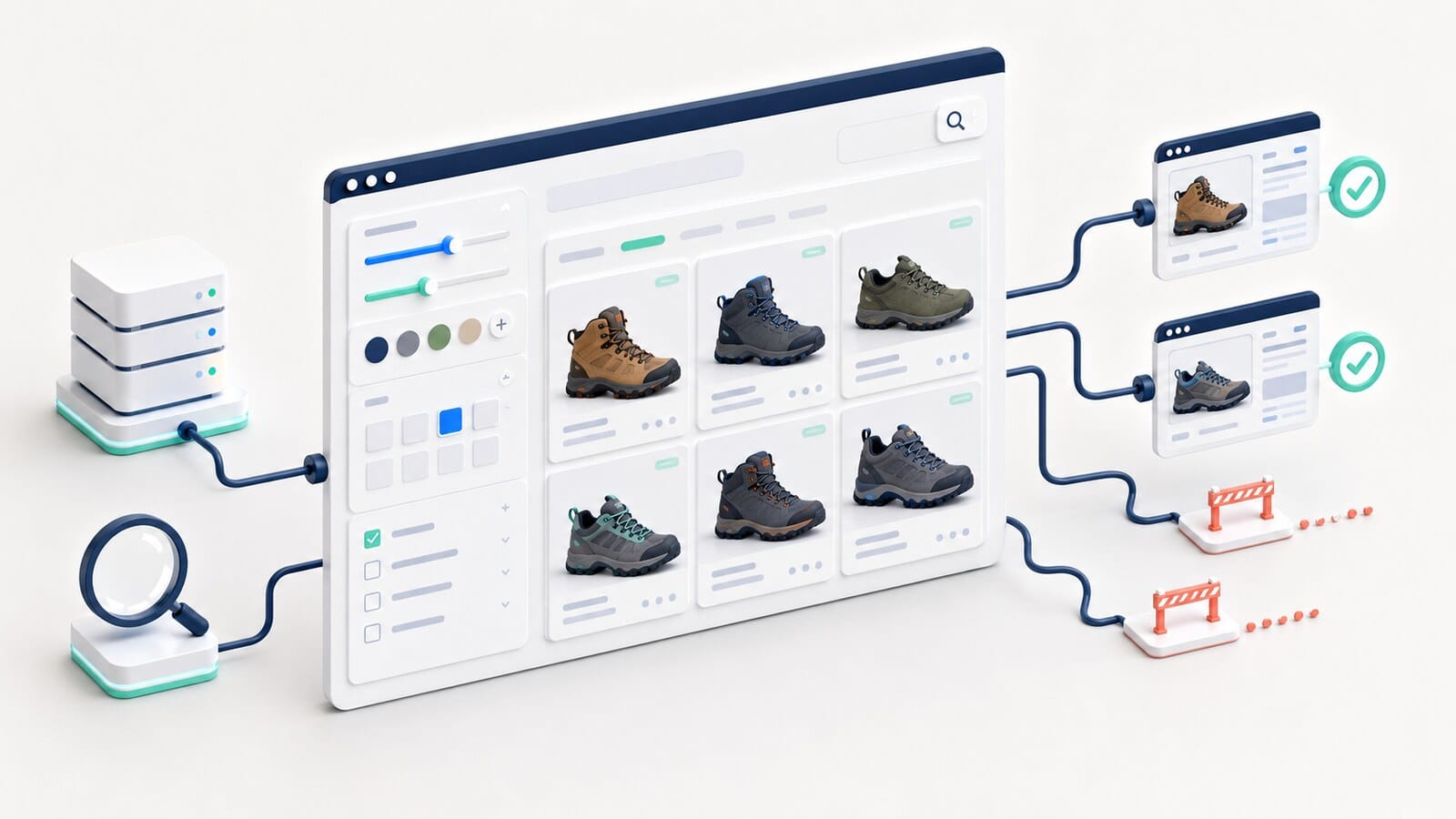
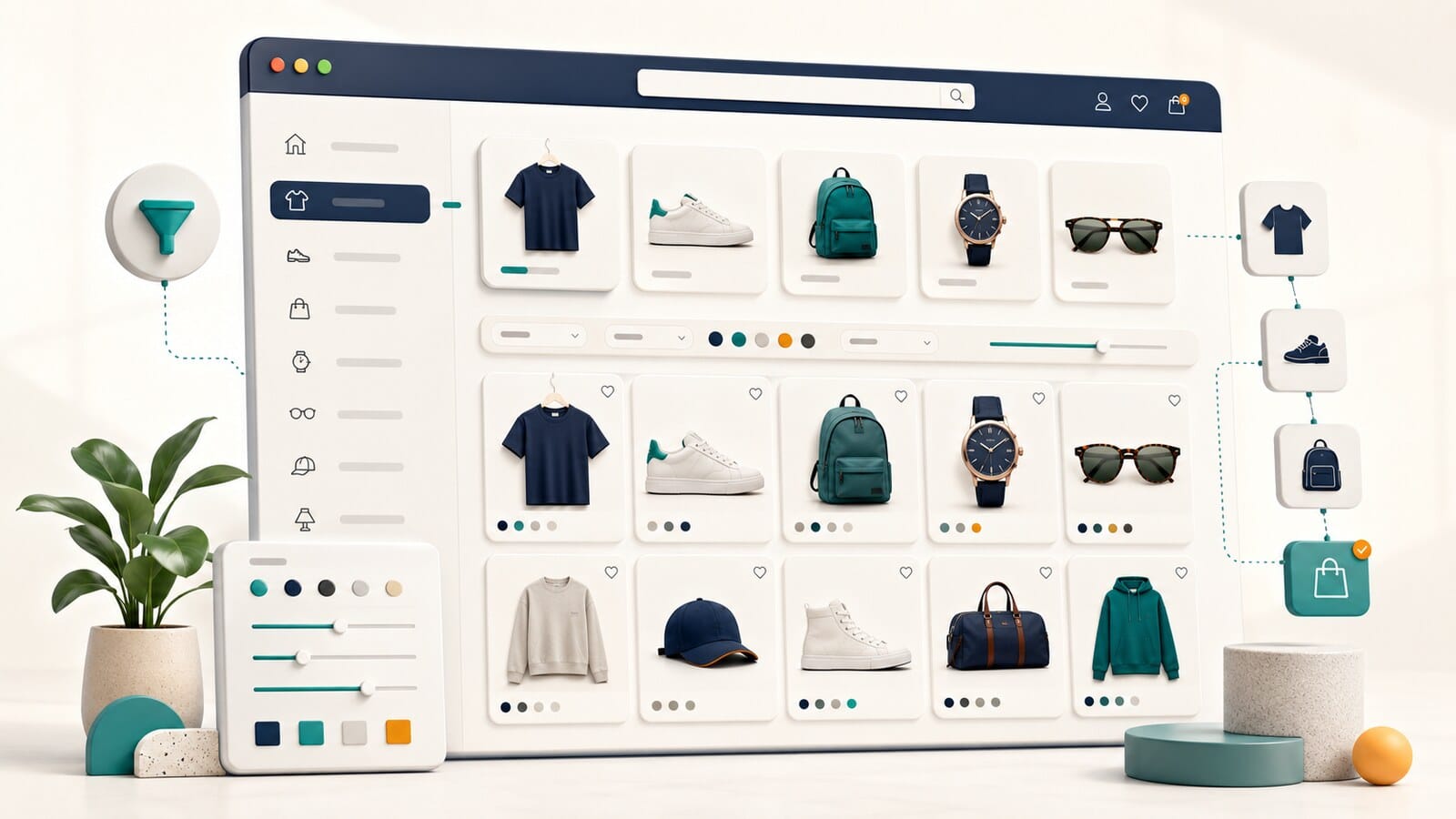
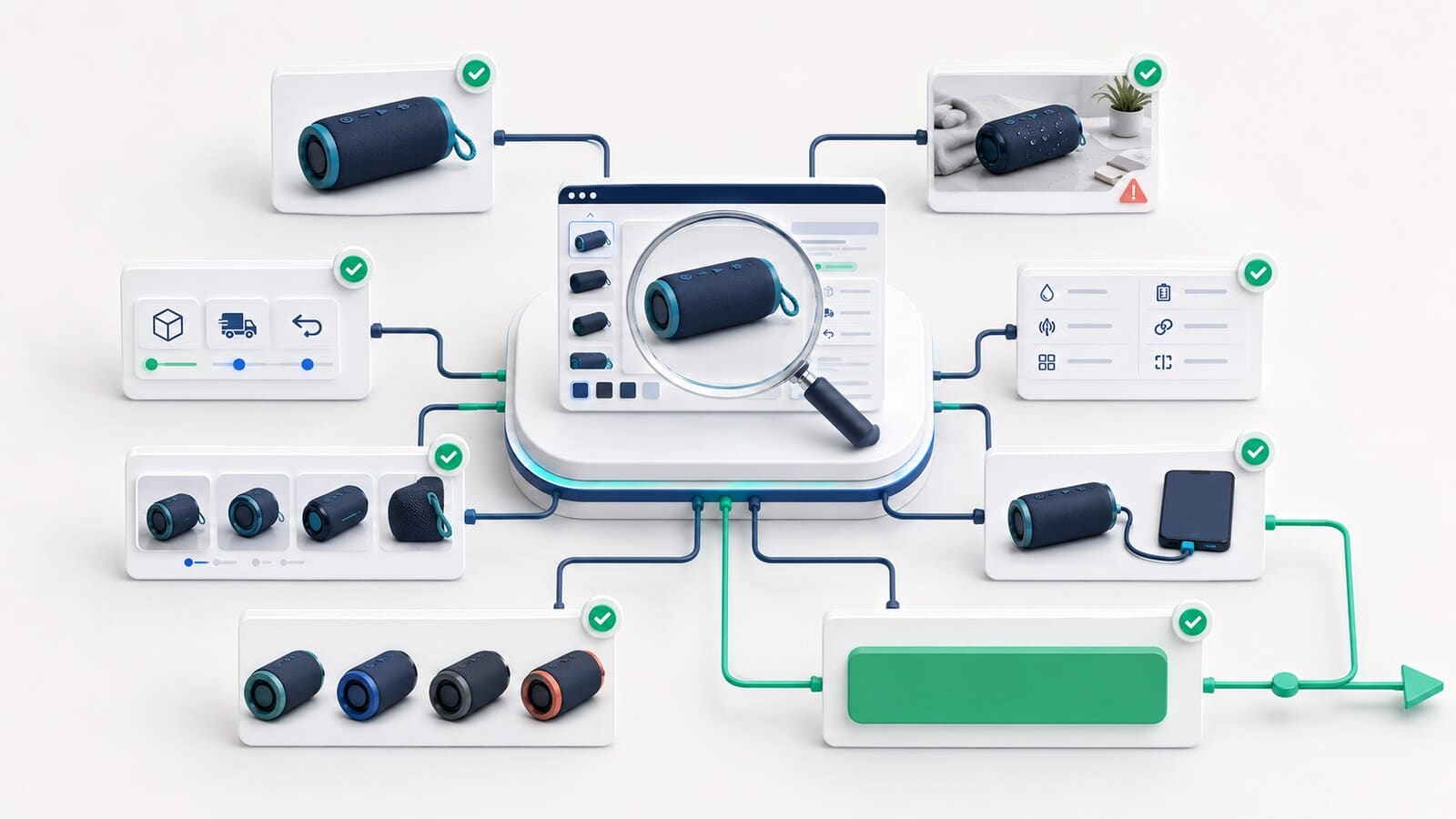
Visual guide to check whether the page is ready for a purchase decision

Before editing the title or description, confirm that the page provides enough information for a decision.

Purchase-readiness test

Answer these questions:

  1. Is the exact product unambiguous?
  2. Can the customer understand the primary use and important limitations?
  3. Are price, availability, delivery, and return terms clear and consistent?
  4. Are the specifications required for comparison complete and easy to scan?
  5. Do the images show enough of the product for a decision?
  6. Can the customer verify compatibility, size, material, or another critical factor?
  7. Is the page distinguishable from variants, bundles, and nearby products?
  8. Is there a clear next step without false urgency or unsupported promises?

If several answers are negative, the problem is larger than copywriting. The information system of the page must be corrected first.

Product name, SEO title, and H1

The product name should be clear enough for customers and precise enough for catalog management. It should not be an incomprehensible supplier code, but it should also avoid adding attributes the product does not have.

A strong product identity usually includes:

  • brand when it matters for differentiation;
  • model or series;
  • primary product type;
  • key variant when it is part of the exact offer;
  • size, capacity, or another attribute only when required for identification.

The SEO title should present the exact product in a readable way. The H1 should confirm the same identity. They do not need to match word for word, but they must not describe different offers.

Avoid:

  • repeating the same phrase in several variations;
  • listing many attributes, brands, and synonyms;
  • adding promotional claims automatically to every product;
  • using a title template that hides the important part of the name;
  • using claims such as "best" or "number one" without evidence.

Google may create a title link from several page signals. Consistent product name, SEO title, H1, and visible content are more important than trying to control one field in isolation.

Unique value instead of mechanically unique copy

Manufacturer copy is often not enough. Mechanical rewriting with synonyms does not create useful differentiation either.

A product page adds independent value when it provides one or more of the following:

  • clearer product identity;
  • verified and well-organized specifications;
  • merchant-created images or demonstrations;
  • real use cases;
  • compatibility with other products or systems;
  • an honest explanation of limitations;
  • clear delivery, return, and warranty terms;
  • relevant accessories;
  • practical comparisons with nearby models.

The goal is not to give every product a long description. The goal is to provide information customers cannot easily obtain from the name and price alone.
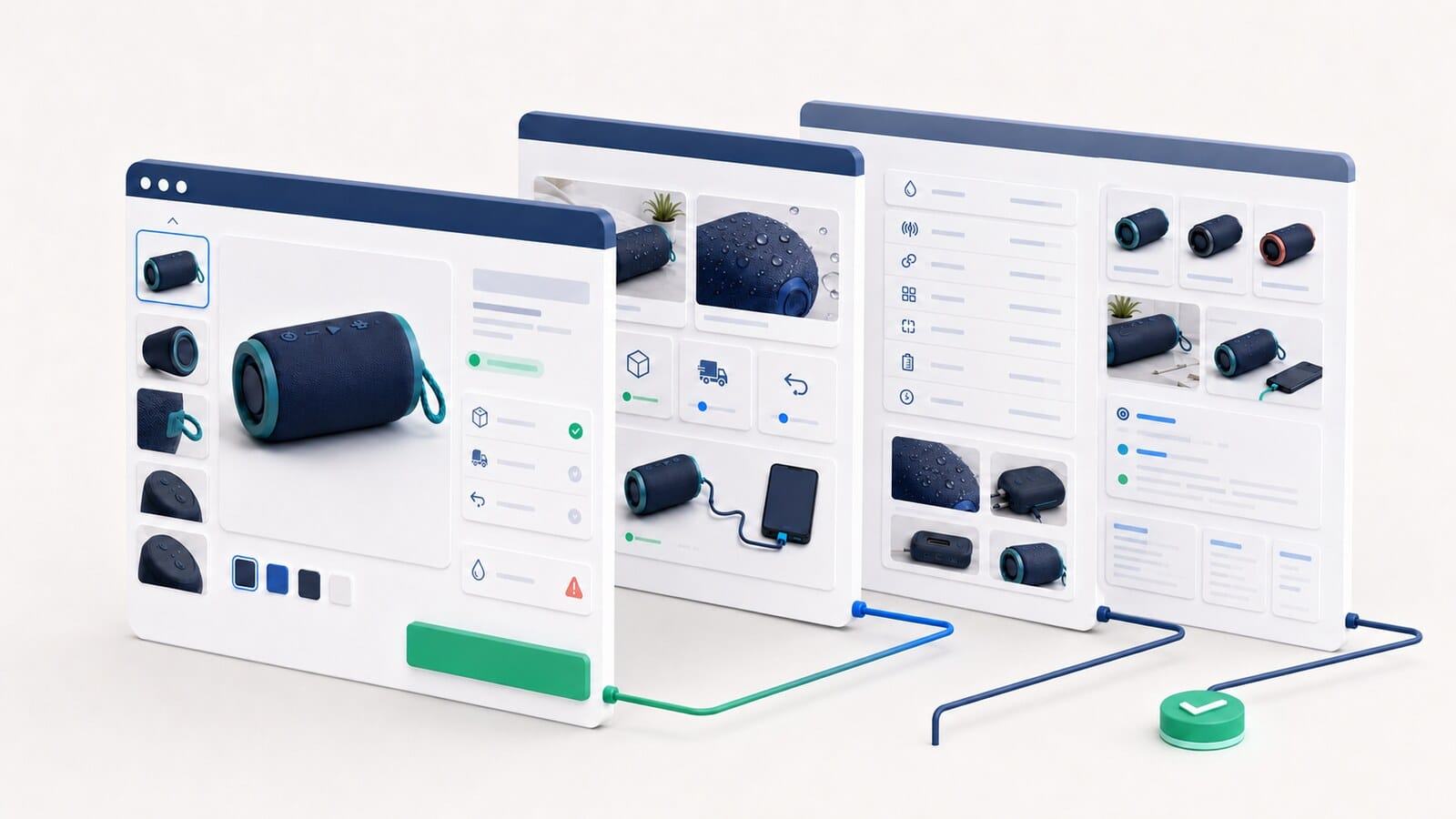
Organize content around the customer's decision

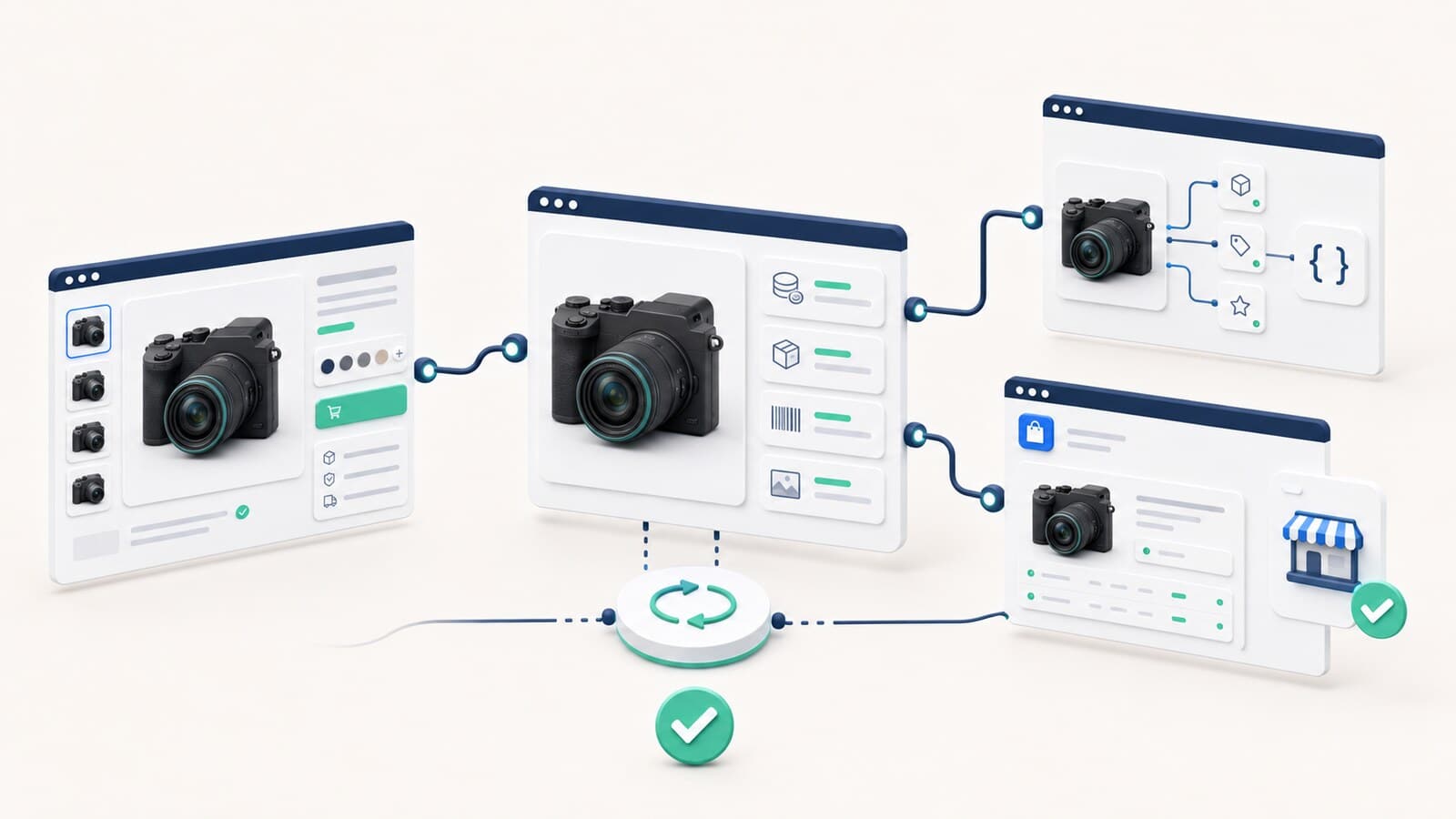
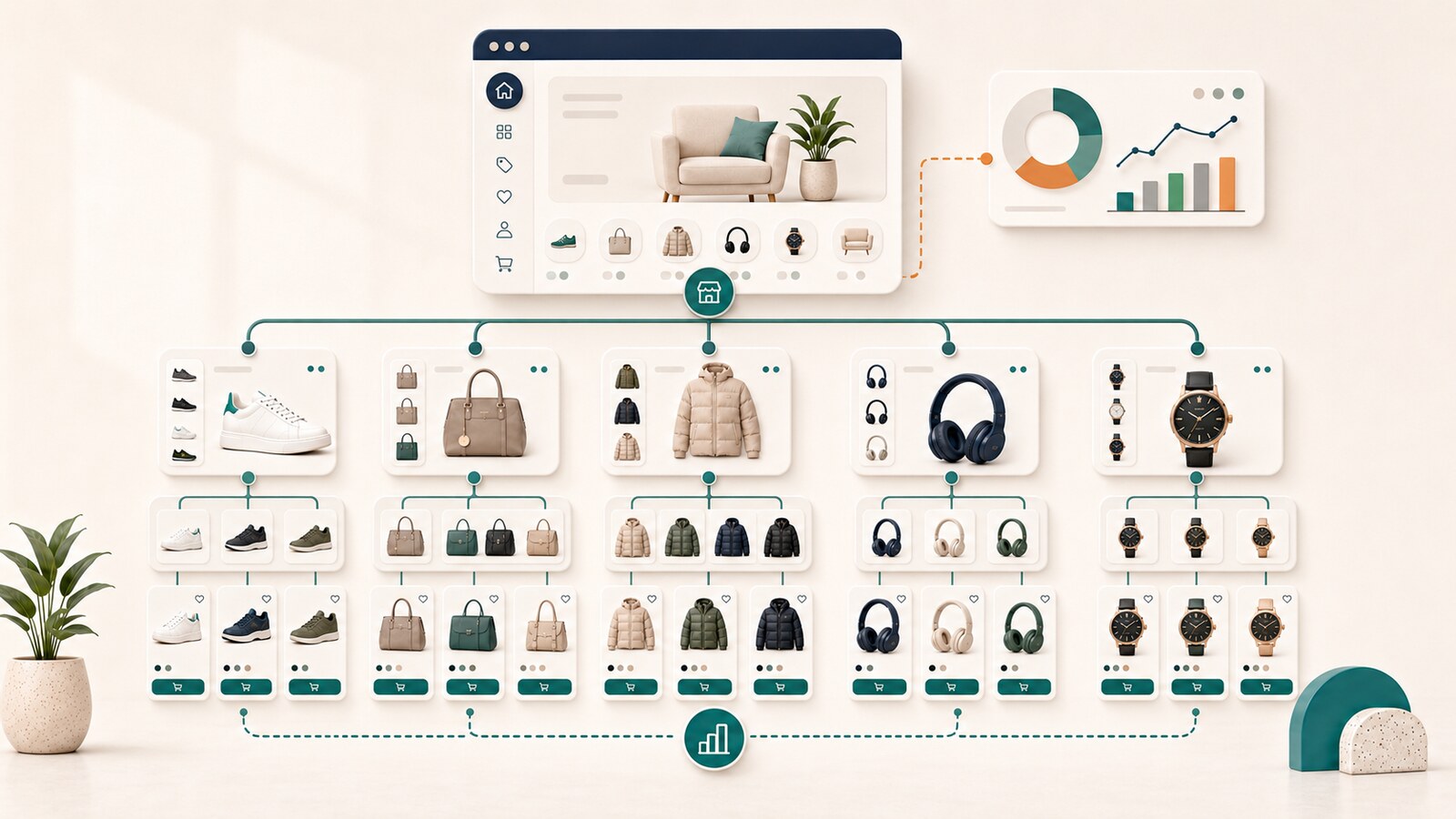
Visual guide to organize content around the customer's decision

A product page should follow the logic of the decision rather than a target word count.

Near the name and primary offer

Make the following visible:

  • exact product identity;
  • price;
  • availability;
  • primary variant;
  • a short explanation of who it is for;
  • one important feature or limitation;
  • a clear next step.

Near the main action

Useful elements include:

  • concise benefits;
  • key use cases;
  • delivery information;
  • important return terms;
  • size, color, or variant selection when it is part of the offer;
  • compatibility confirmation when it is critical.

In a structured specifications section

Collect the data customers compare:

  • dimensions;
  • weight;
  • material;
  • capacity;
  • power;
  • compatibility;
  • included components;
  • technical limitations.

In deeper content

Useful content may include:

  • detailed usage guidance;
  • selection instructions;
  • care guidance;
  • installation advice;
  • differences from nearby models;
  • relevant guides;
  • authentic reviews and questions.

Benefits, limitations, and suitable uses

Many product descriptions list specifications without explaining what they mean in practice.

Instead of only stating:

  • 1200 W power;
  • three operating modes;
  • stainless-steel body;

explain:

  • what workload the power level supports;
  • what each mode enables;
  • how the material affects use and maintenance.

Benefits should connect to verifiable features. Limitations matter as well. An honest statement that a product is unsuitable for a particular use can prevent a poor purchase and a return.

Specifications and attributes

Specifications should be accurate, consistent, and easy to compare. They should not be hidden inside a long paragraph.

Useful formats include:

  • a table;
  • clearly grouped lists;
  • separate sections by data type;
  • short explanations for complex terms.

Avoid different values for the same attribute in the description, specification table, variant selector, and feed data. Contradictions reduce trust and make automated processing more difficult.
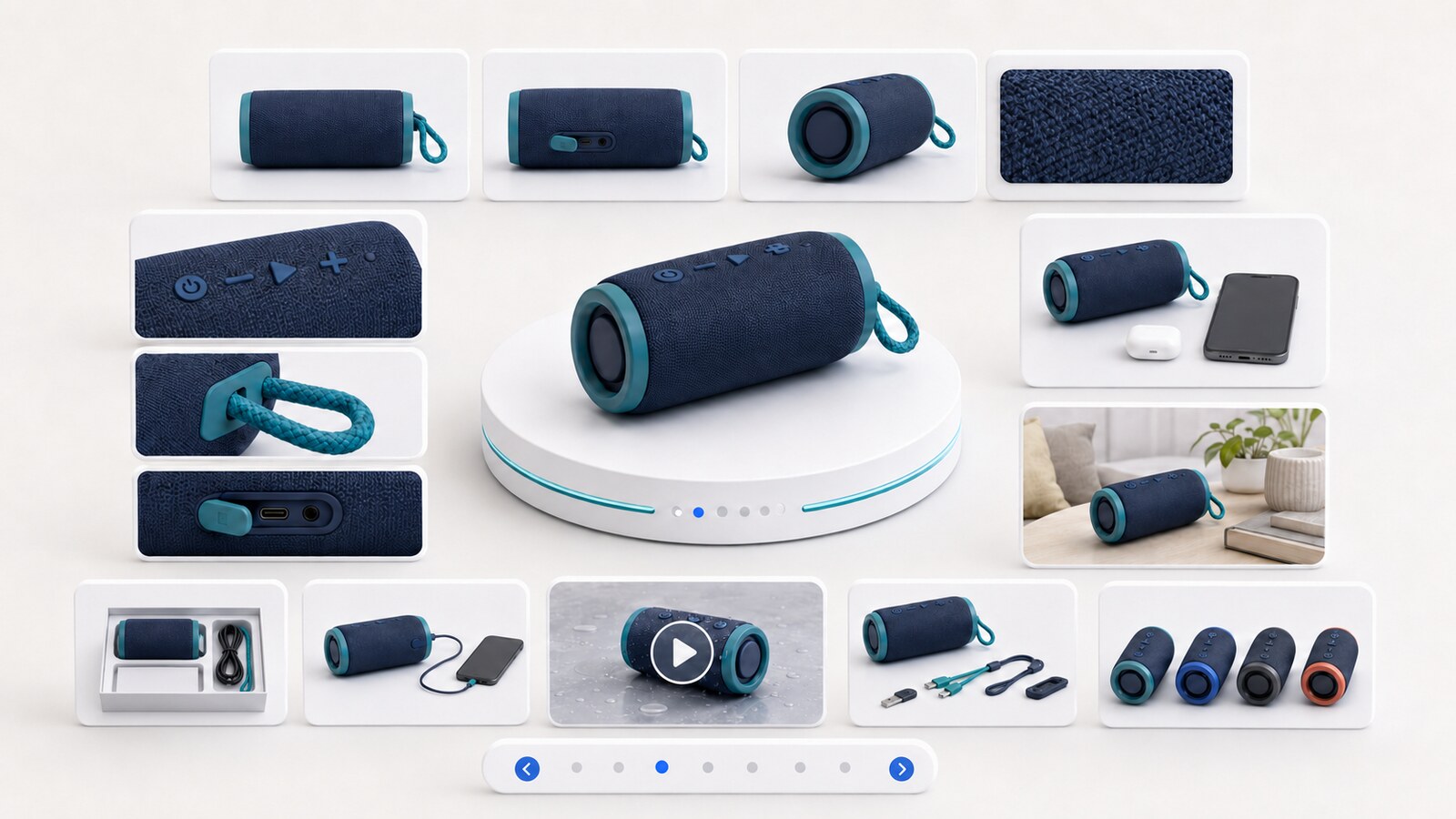
Product images and media

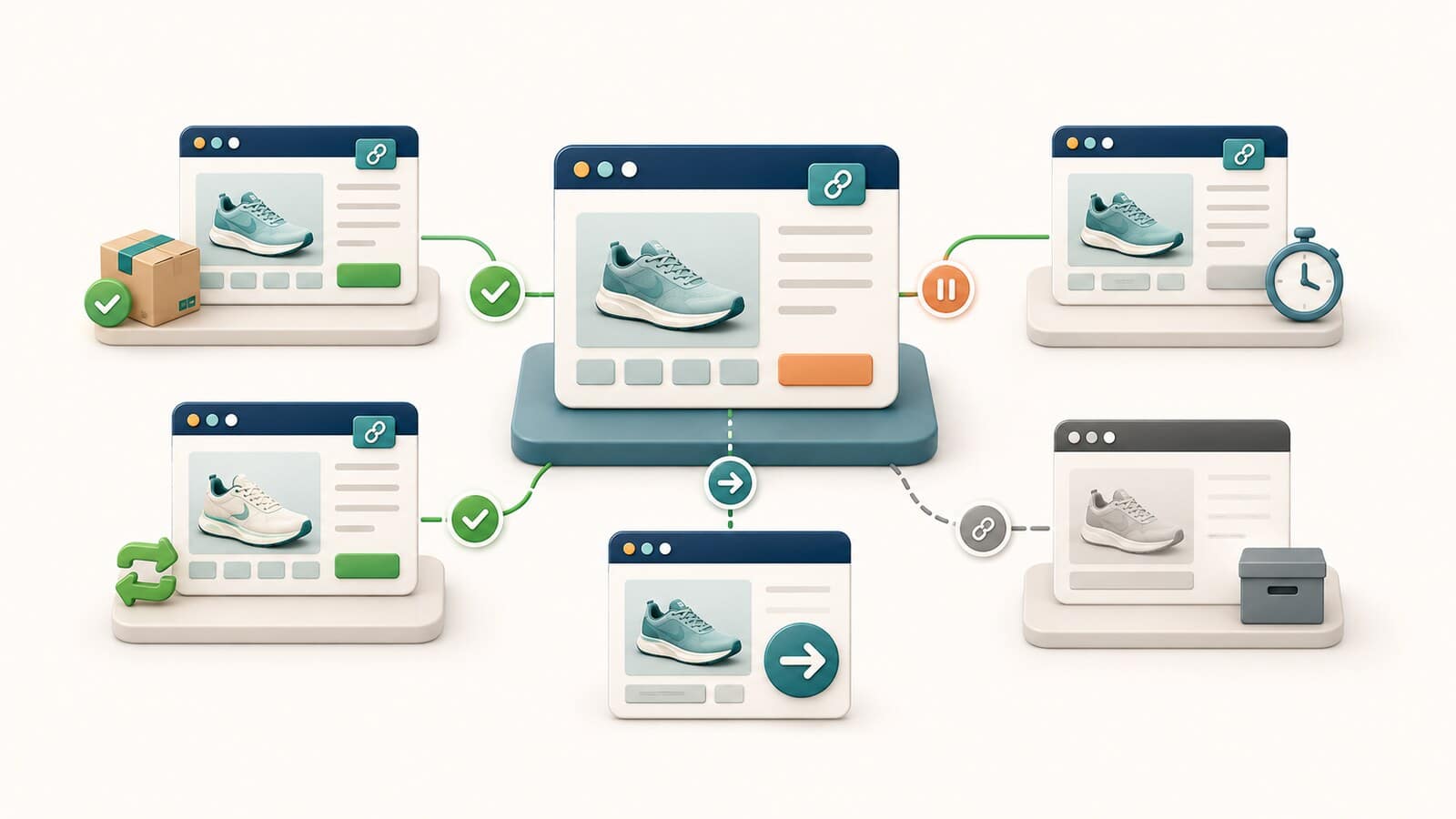
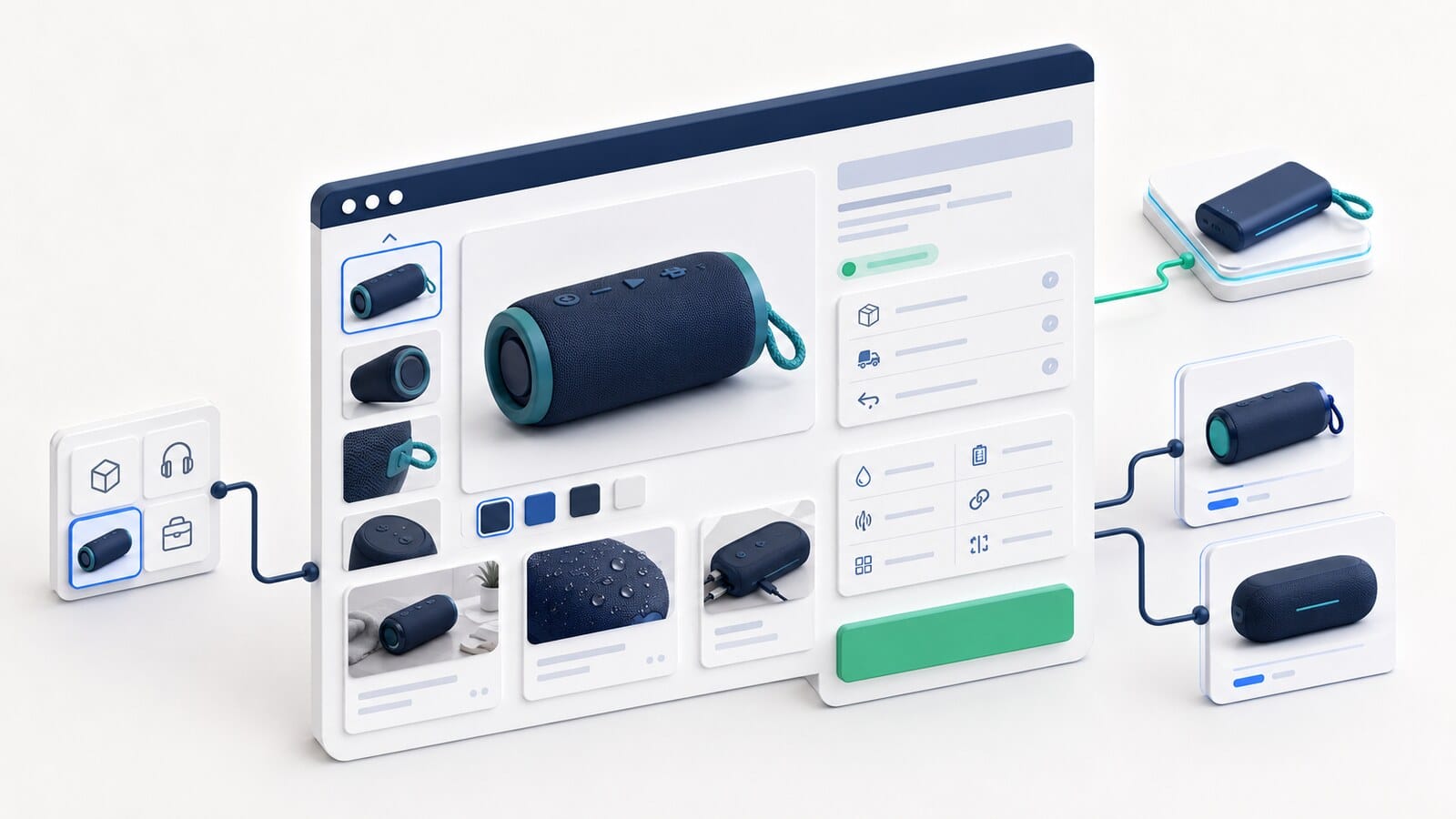
Visual guide to product images and media

Images are part of product information, not only decoration. They should help the customer understand the item.

A useful image set may include:

  • a clear primary image;
  • several angles;
  • important details;
  • size or scale;
  • the product in real use;
  • the contents of the package;
  • a visual explanation of compatibility;
  • variants when they differ visually.

Images should be high enough quality for evaluation while remaining optimized for fast loading. Alt text should describe the visible product and useful context without becoming a keyword list.

Video or a short demonstration can be valuable when movement, installation, or real scale affects the decision.

Price, availability, delivery, and returns

These elements should work as one consistent information system.

Confirm that:

  • the displayed price is current;
  • promotional pricing has clear conditions;
  • availability does not conflict with the order button;
  • delivery timing is realistic;
  • the selected variant has its own stock state;
  • return terms are accessible;
  • warranty information is accurate;
  • page information matches checkout and customer support.

A product page with strong visibility but inaccurate stock or delivery data does not solve the business problem. It sends more customers into a mismatch.

Reviews, evidence, and trust

Authentic reviews can help customers understand real use. They should not be fabricated, edited in ways that change their meaning, or displayed without a clear source.

Useful trust elements include:

  • verified reviews;
  • real customer images when permission exists;
  • clear warranty information;
  • manufacturer details;
  • certificates when relevant and verifiable;
  • service or support information;
  • accurate delivery and return terms.

Not every trust badge adds value. Generic or unverifiable symbols can create the opposite effect.

Related products, accessories, and compatibility

Internal links on a product page should support the next decision.

Useful destinations include:

  • the primary category;
  • relevant alternatives;
  • compatible accessories;
  • replacement parts;
  • bundle offers;
  • guides for selection, installation, or use;
  • products from the same series.

A related-products module should not be a random carousel. Every recommendation should have a reason, such as lower price, higher capacity, different use, compatibility, or completion of the primary product.

Duplicate and closely related product URLs

Duplication can appear through:

  • repeated import of one product;
  • category paths that create separate URLs;
  • variants presented as independent products without a clear reason;
  • bundle and single-item versions with almost identical content;
  • old URLs that remain accessible after a model change.

First determine whether the URLs represent different offers. If they do, the distinction should be visible in identity, content, and customer choice. If they represent the same offer, an architectural decision is required instead of merely writing different copy.

Detailed decisions about variant URLs and canonical relationships belong to the separate product-variation owner. Decisions about discontinued and out-of-stock products belong to the product-lifecycle owner.

Template optimization and individual product work

On a large store, rewriting every product manually from the beginning is unrealistic. Correct the template first.

Template-level requirements

Review:

  • product name and H1;
  • price and availability;
  • variant selector;
  • delivery and return information;
  • description structure;
  • specifications;
  • image gallery;
  • breadcrumbs;
  • related products;
  • mobile usability;
  • internal links;
  • data consistency.

Product-specific requirements

Individual work is especially important for:

  • strategic products;
  • high-revenue items;
  • products with high impressions and weak CTR;
  • high-value offers or complex decisions;
  • products with many questions or returns;
  • products with incomplete supplier information;
  • products with important limitations or compatibility requirements.

How to prioritize hundreds of product pages

Do not start with an alphabetical list or edit every URL in the same way.

Product priority matrix

A useful sequence is:

  1. high-revenue product with incomplete or conflicting information;
  2. product with many impressions and weak CTR;
  3. product with strong traffic but weak add-to-cart or conversion signals;
  4. template defect affecting many pages;
  5. strategic product with weak internal discovery;
  6. duplicate or near-duplicate URLs dividing signals;
  7. low-demand product with a cosmetic copy issue.

Priority should combine business value, reach, and issue severity.

How to measure results

Do not evaluate a change only through rankings.

Track:

  • impressions;
  • CTR;
  • organic visits;
  • visibility for product and model queries;
  • engagement;
  • variant selections;
  • add-to-cart rate;
  • conversion rate;
  • revenue;
  • returns and support questions;
  • availability and data errors;
  • performance across product segments.

Separate different scenarios during diagnosis:

  • impressions exist, but CTR is weak;
  • clicks exist, but the product is not understood;
  • engagement exists, but customers do not add the product to the cart;
  • add-to-cart exists, but checkout or delivery terms prevent purchase;
  • conversions exist, but high returns indicate poor communication of product fit.

SEO and business signals should be evaluated together.
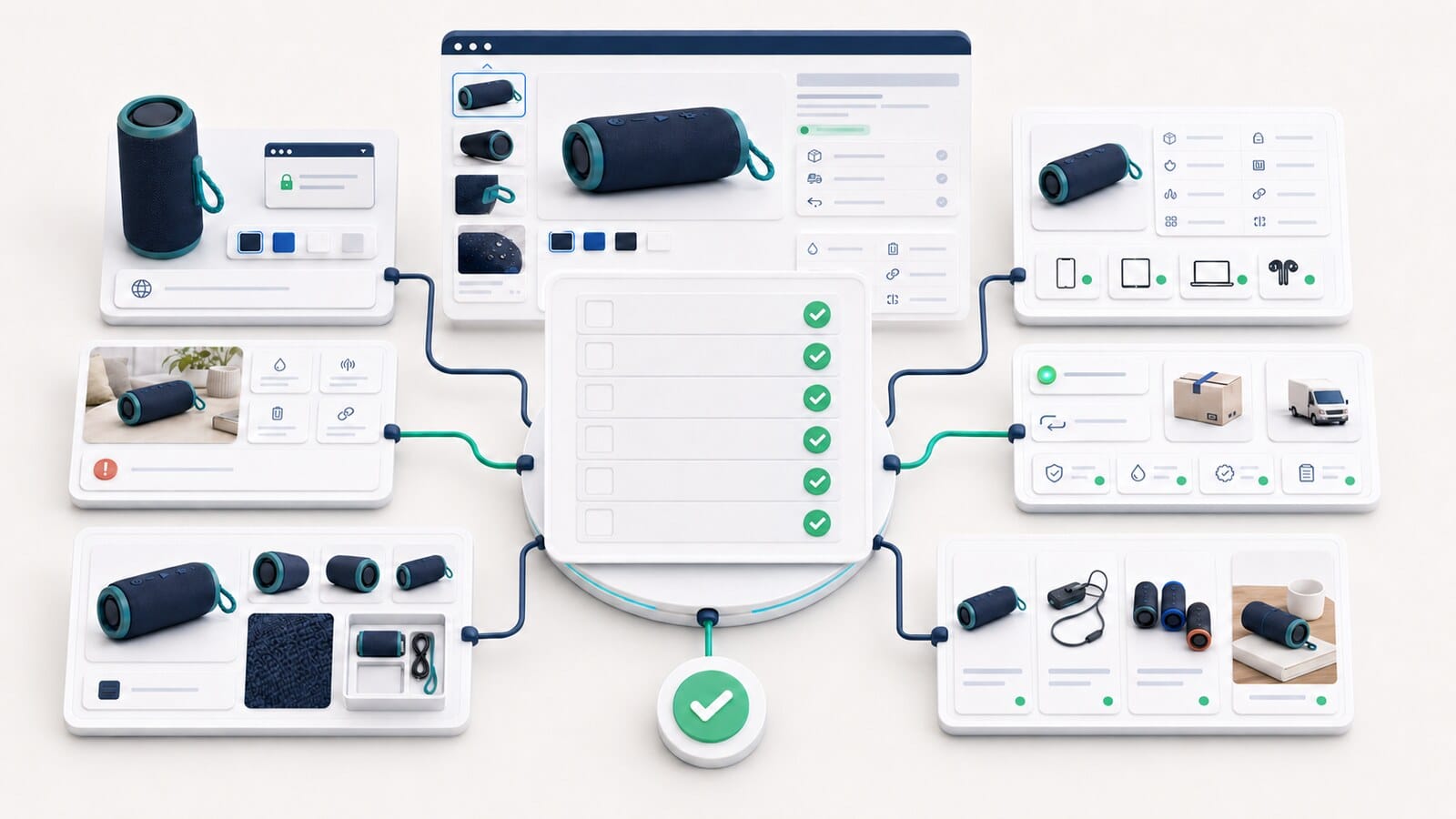
Practical product-page SEO checklist

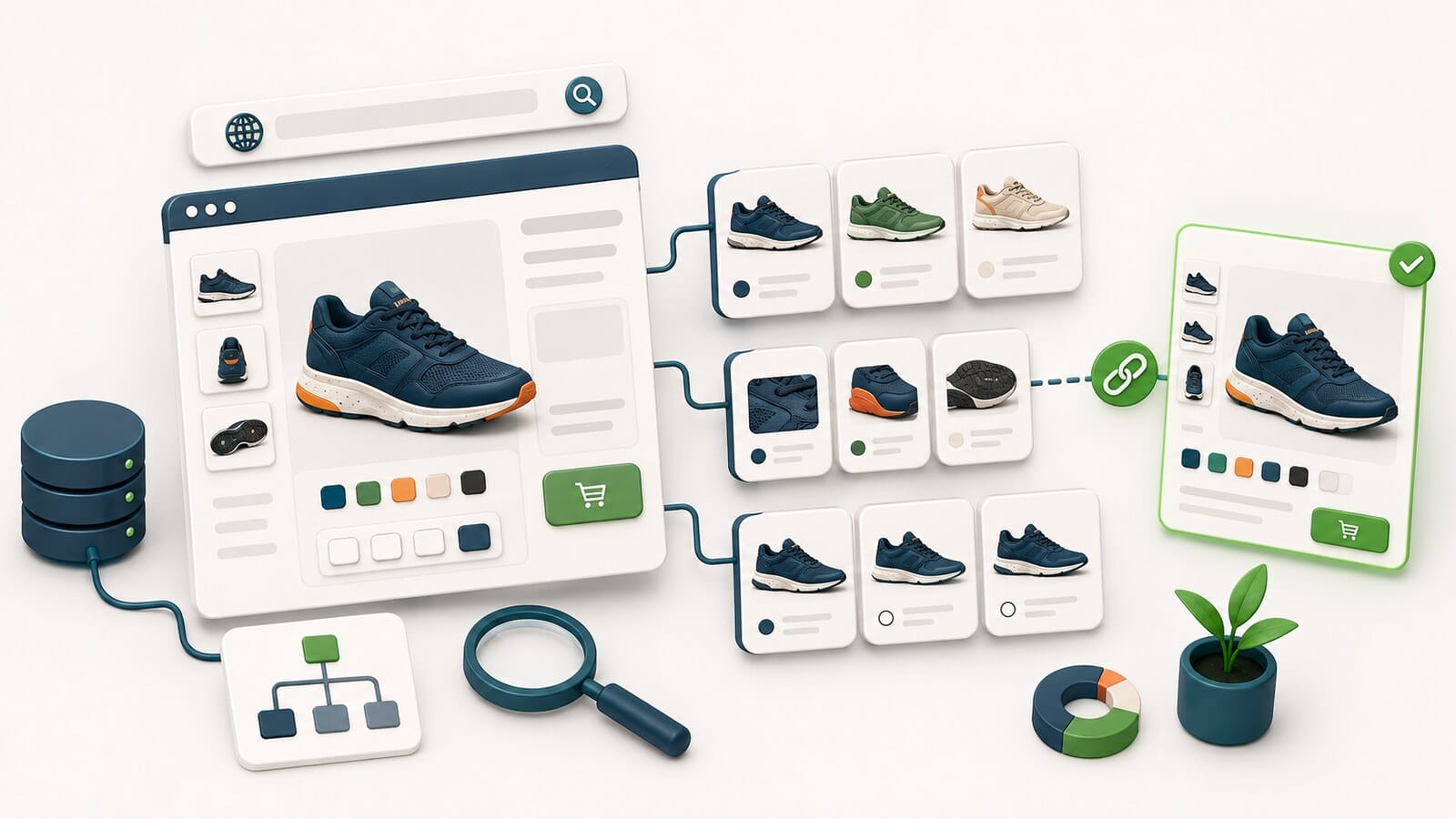
Visual guide to practical product-page SEO checklist

Before considering the page ready, confirm the following.

Product identity

  • clear product name;
  • consistent SEO title and H1;
  • correct brand, model, and variant;
  • one clear owner URL.

Decision support and content

  • clear explanation of who the product is for;
  • primary benefits;
  • honest limitations;
  • practical use cases;
  • useful independent value, not only rewritten supplier copy.

Data and specifications

  • complete specifications;
  • consistent values in every section;
  • clear compatibility;
  • package contents;
  • dimensions, material, and other critical attributes.

Images and media

  • clear primary image;
  • enough angles and details;
  • scale or real use;
  • optimized file size;
  • descriptive alt text.

Offer and trust

  • accurate price;
  • real availability;
  • clear delivery;
  • accessible return terms;
  • verifiable reviews and trust elements;
  • clear next step.

Internal links

  • link to the category;
  • relevant accessories;
  • reasonable alternatives;
  • supporting guides;
  • no random or repetitive carousels.

When professional SEO work is needed

One product page can be improved manually. In a large catalog, the problem is usually systematic and involves the template, product data, imports, variant logic, stock lifecycle, and prioritization.

Professional e-commerce SEO should connect product-page quality with categories, internal links, technical accessibility, product data, and measurement of real business results.

When a store is being built from the beginning, the product template, variant model, product attributes, and URL logic should be part of e-commerce website design rather than added as repairs after launch.

Frequently asked questions

How long should a product description be?

There is no universal length. The description should be sufficient to explain the product, important benefits, limitations, and decision criteria. A simple product may need only several clear paragraphs. A complex or expensive product requires more detail.

Can we use the manufacturer's description?

It can be used as a source, but it should not be the only value on the page. Verify the data and add merchant-specific information, real use cases, compatibility, delivery, returns, images, and useful clarifications.

Should every variant have a separate page?

Not necessarily. The decision depends on whether variants represent separate offers, have different commercial value, and require a separate URL owner. This belongs to the product-variation strategy.

What should we do with an out-of-stock product?

Do not apply one rule to every case. A temporarily unavailable product, a permanently discontinued product, and a replaced product require different decisions. They belong to the separate product-lifecycle owner.

Is Product structured data enough?

No. Structured data can help search engines understand selected product information and may provide eligibility for certain search presentations, but it does not replace useful visible content and does not guarantee a rich result.

What is the first improvement for a large catalog?

Correct template defects and data-consistency problems that affect many products. Then prioritize strategic and high-value pages according to impressions, CTR, revenue, conversion, and the severity of the information problem.

What a sustainable product page looks like

The best product page is not the one with the longest description. It presents the exact product clearly, provides enough evidence and limitations, organizes information around the customer's decision, and maintains consistent price, availability, delivery, and specifications.

When product identity, content, images, specifications, trust, and internal links operate as one system, the product URL has a stronger chance of being useful to both customers and organic search. There is no guarantee of rankings or sales, but there is a much stronger foundation for measurable optimization.

Гласувай
crosschevron-down